Cognitive therapy for anxiety & depression — in Plano, TX and online across Texas.
Nathaniel Smith, LPC, NCC offers specialized, evidence-based cognitive behavioral therapy (CBT) for adults (18+) navigating anxiety and depression — in person in Plano and via secure telehealth anywhere in Texas.
$225 per 50-minute session · Sliding scale available · Free 15-minute phone consultation
Private-pay practice. Superbills provided for out-of-network reimbursement. HSA/FSA accepted.
If cost is a concern, just ask during your free 15-minute phone call.
"The work here targets the root, not just the symptom."
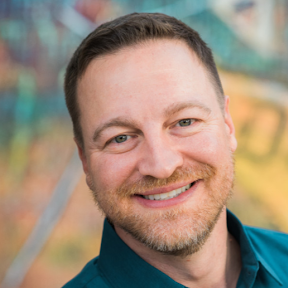
Credentials & Advanced CBT Training
- Beck Institute for Cognitive Behavior TherapyExtensive training in cognitive behavioral therapy — Beck Institute, Philadelphia, PA
- Feeling Good InstituteAdvanced training in TEAM-CBT — Feeling Good Institute, founded by David Burns, MD
- Licensed Professional CounselorState of Texas · License No. 19525
- National Certified CounselorNational Board for Certified Counselors
- 20+ Years in PracticeFocused exclusively on CBT for anxiety and depression in adults
You don't have to keep managing this on your own.
Most people who come here have already tried a lot — reading, self-help, maybe other therapy. They're not looking for someone to tell them to think positively. They want structured, evidence-based work that actually changes something.
That's what cognitive therapy does. It targets the thinking patterns underneath anxiety and depression — not just the symptoms — so the work holds up after therapy ends.
Cognitive behavioral therapy — what it is and how it works
Cognitive behavioral therapy (CBT) is one of the most extensively researched treatments in psychology. Developed by Aaron Beck at the University of Pennsylvania, it is built on a straightforward premise: the way we interpret situations shapes how we feel and what we do. Change the interpretation, and the emotional and behavioral response changes with it.
CBT is structured, collaborative, and time-limited. Sessions follow an agenda. Progress is tracked. Between-session practice is part of the work — not optional homework, but the mechanism by which change actually happens.
How is CBT different from other therapy?
CBT is directive and skill-based. Rather than open-ended exploration, sessions have a clear agenda and measurable goals. You learn specific techniques and practice them between sessions.
How long does CBT take?
Most people see meaningful progress in 12–20 sessions. Some work through a focused issue in fewer; others with more complex presentations take longer. We set goals early and track progress throughout.
Does CBT actually work for anxiety and depression?
Yes — CBT has more clinical trial evidence behind it than any other psychotherapy for anxiety and depression. Effect sizes are comparable to medication, and gains tend to be more durable.
Anxiety and depression — treated with precision
This practice focuses on two conditions because depth of expertise matters. Generalist therapy and specialized cognitive therapy are not the same thing.
Anxiety
Anxiety is not just worry — it is a pattern of threat appraisal that has become automatic. CBT targets the specific cognitive distortions and avoidance behaviors that keep it running.
- Generalized anxiety disorder (GAD)
- Social anxiety
- Panic disorder
- Health anxiety
- Worry and rumination
Depression
Depression distorts how we see ourselves, the world, and the future. Cognitive therapy works at the level of those distortions — not just symptom management, but structural change.
- Major depressive disorder
- Persistent depressive disorder (dysthymia)
- Low self-worth and negative self-concept
- Anhedonia and withdrawal
- Depression alongside anxiety
Structured, collaborative, evidence-based
Every session has a purpose. Every technique has a rationale. You'll understand what we're doing and why — because that transparency is part of what makes the work effective.
Cognitive conceptualization
Before we intervene, we build a map — how your automatic thoughts, emotions, behaviors, and core beliefs connect. This isn't assessment for its own sake; it's the foundation everything else is built on.
Structured sessions with an agenda
Sessions follow a consistent format: mood check, agenda, review of between-session work, new material, and a summary. Structure isn't rigidity — it's what makes the time count.
Measurable progress
We track symptoms with validated measures — the PHQ-9 for depression, the GAD-7 for anxiety — so change is something we can actually see, not just hope for.
How a single moment is actually built
Most distress feels like it comes out of nowhere. In reality, a thought, a feeling, and a reaction are all downstream of deeper beliefs formed long ago. When we can see the whole chain, we gain real leverage to change it.
What working together looks like
From the first call to the last session, the process is transparent and purposeful.
Free 15-minute consultation
We talk briefly by phone. You get a sense of whether this is the right fit; I get a sense of what you're dealing with. No pressure, no commitment.
Initial sessions: assessment and conceptualization
The first few sessions are dedicated to understanding your history, building a cognitive conceptualization, and setting specific, measurable goals together.
Active CBT work
With a clear conceptualization in place, we move into structured CBT: thought records, behavioral experiments, belief-level work, and between-session practice.
Consolidation and ending well
As goals are met, we shift toward consolidating gains, building relapse prevention, and planning a thoughtful ending — not just stopping when things feel better.
20+ years of focused clinical experience
Nathaniel Smith is a Licensed Professional Counselor (LPC) and National Certified Counselor (NCC) with more than two decades of clinical experience working with adults navigating anxiety and depression.
His training includes extensive work through the Beck Institute for Cognitive Behavior Therapy in Philadelphia and the Feeling Good Institute, founded by David Burns, MD. He holds Texas LPC License No. 19525.
Read the full backgroundTransparent pricing, no surprises
Sessions are $225 for 50 minutes. A limited number of sliding-scale spots are available. If cost is a concern, just ask during your free 15-minute phone call. I provide a monthly superbill for out-of-network reimbursement and accept HSA and FSA cards.
This is a private-pay practice. I do not bill insurance directly.
Many clients with PPO plans receive partial reimbursement through out-of-network benefits. I provide a monthly superbill you can submit directly to your insurer.
See full fee informationQuestions people ask before reaching out
Starting therapy raises practical questions — about cost, format, what to expect, and whether this approach is right for you.
The FAQ page covers the most common ones in plain language.
Read the FAQReady to take the first step?
Reaching out is often the hardest part. Send a note and I'll respond personally — usually within one business day.
Plano, TX 75024
Request a Consultation
Tell me a little about what brings you in. There's no pressure — just a first conversation.
This form is not a crisis line. If you are in crisis, please call or text 988 (Suicide & Crisis Lifeline) or go to your nearest emergency room.