Anxiety therapy in Plano, TX — specialized CBT that addresses the root
Nathaniel Smith, LPC, NCC provides cognitive behavioral therapy (CBT) for anxiety disorders in adults (18+) — in person in Plano and via secure telehealth anywhere in Texas.
$225 per 50-minute session · Sliding scale available · Free 15-minute phone consultation
Private-pay practice. Superbills provided for out-of-network reimbursement. HSA/FSA accepted.
What the research shows about CBT for anxiety
Higher odds of clinically meaningful improvement with CBT than with placebo, pooled across 41 randomized controlled trials.
Carpenter et al. View studyPatients studied in that same placebo-controlled analysis — CBT for anxiety is among the most rigorously tested treatments in mental health.
Carpenter et al. (2018), Depression & Anxiety, 35(6).Sessions in a typical course of CBT here. The goal is a defined course of treatment, not indefinite therapy.
Based on this practice's clinical experience; individual course length varies.CBT is recommended as a first-line psychological treatment for generalized anxiety disorder, panic disorder, and social anxiety disorder.
NICE clinical guidelines (UK National Institute for Health and Care Excellence).Research findings describe averages across groups and are not a prediction about any individual's treatment. Outcomes vary by diagnosis, severity, history, and engagement with between-session practice. Nothing on this page is a guarantee of results.
What anxiety actually is — and why willpower alone doesn't fix it
Anxiety is not a character flaw or a sign of weakness. It is a learned pattern — a threat-detection system that has become miscalibrated, firing alarms in situations that are not actually dangerous. The more you avoid those situations, the louder the alarm gets.
This is why telling yourself to "just relax" or "stop worrying" rarely works. The anxiety is being maintained by specific cognitive and behavioral patterns operating largely outside conscious awareness. CBT makes those patterns visible — and changeable.
Effective anxiety treatment does not mean eliminating all discomfort. It means learning to respond to anxiety differently, so it no longer controls your decisions, limits your life, or exhausts you.
Types of anxiety treated with CBT in Plano, TX
CBT is an effective, well-researched treatment for many anxiety disorders. Each type has its own maintaining patterns — and its own targeted CBT approach.
Generalized Anxiety Disorder (GAD)
Persistent, hard-to-control worry about multiple areas of life — work, health, relationships, finances. CBT targets the worry process itself, not just the topics.
Panic Disorder
Recurrent panic attacks and the fear of having more. CBT addresses the misinterpretation of physical sensations and the avoidance patterns that keep panic alive.
Social Anxiety Disorder
Intense fear of judgment, embarrassment, or scrutiny in social or performance situations. CBT challenges the beliefs driving self-consciousness and builds genuine confidence.
Health Anxiety
Excessive worry about having or developing a serious illness. CBT interrupts the reassurance-seeking and checking cycles that maintain health-focused anxiety.
How cognitive behavioral therapy treats anxiety — step by step
CBT is structured and goal-directed. Here is what the process looks like in practice.
Identify the patterns
Anxiety is maintained by specific thinking patterns — catastrophizing, overestimating threat, underestimating your ability to cope. In early sessions we map yours precisely.
Evaluate the evidence
Anxious thoughts feel true. CBT teaches you to examine them like a scientist — weighing actual evidence rather than reacting to worst-case assumptions.
Change behavior strategically
Avoidance is anxiety's best friend. Structured exposure and behavioral experiments gradually reduce the power anxiety holds over your decisions and daily life.
Build skills that last
The goal is not to need therapy indefinitely. You leave with a toolkit — specific techniques you own — that continues working long after sessions end.
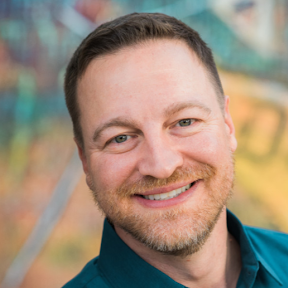
Nathaniel Smith, LPC
Licensed Professional Counselor · NCC
Nathaniel Smith is a Licensed Professional Counselor (LPC) and National Certified Counselor (NCC) with over 20 years of clinical experience. Beyond licensure, he has pursued extensive training in cognitive therapy through the Beck Institute in Philadelphia, PA and the Feeling Good Institute, founded by David Burns, MD.
My aim is for the work to be rigorous and warm in equal measure, and for you to come away understanding yourself with a clarity that is hard to unlearn.
Why specialized matters for anxiety
This practice works exclusively in cognitive behavioral therapy for anxiety and depression in adults. That focus determines the training pursued, the measures used, and how each course of treatment is structured.
CBT has been studied in hundreds of randomized controlled trials for anxiety disorders. The techniques used here come from that literature and from advanced training through the Beck Institute and the Feeling Good Institute.
CBT is designed to be time-limited. The aim is that you finish with a set of skills you can apply on your own, and expected length is discussed openly from the first session.
Credentials & Advanced CBT Training
- Beck Institute for Cognitive Behavior TherapyExtensive training in cognitive behavioral therapy — Beck Institute, Philadelphia, PA
- Feeling Good InstituteAdvanced training in TEAM-CBT — Feeling Good Institute, founded by David Burns, MD
- Licensed Professional CounselorState of Texas · License No. 19525
- National Certified CounselorNational Board for Certified Counselors
- 20+ Years in PracticeFocused exclusively on CBT for anxiety and depression in adults
Online anxiety therapy available across all of Texas
Telehealth sessions are available to clients anywhere in Texas — Dallas, Houston, Austin, San Antonio, Fort Worth, and beyond. Sessions are conducted over an encrypted video connection, so you can meet from wherever you are without a commute.
Frequently asked questions about anxiety therapy in Plano, TX
CBT is effective for generalized anxiety disorder (GAD), panic disorder, social anxiety disorder, health anxiety (illness anxiety), and specific phobias. It is considered a first-line treatment for all of these conditions by major clinical guidelines.
Many clients with anxiety notice meaningful improvement within 8–16 sessions, though individual results vary. The timeline depends on the type and severity of anxiety, how long it has been present, and how actively the client engages with between-session practice.
Research generally finds CBT and medication comparably effective for most anxiety disorders. The clearest difference shows up after treatment ends: patients who complete a course of CBT tend to relapse at lower rates than patients whose medication is discontinued, while patients who stay on medication do about as well as those who completed CBT. Many people benefit from both, and that is a decision to make with your prescriber.
Yes. Secure telehealth sessions are available to clients anywhere in Texas. In-person sessions are offered at the Plano office at 7150 Preston Road, Suite 100.
Sessions are structured and collaborative. We review what happened since the last session, work through specific thought patterns or situations driving anxiety, and build practical skills to use between sessions. You will leave each session with something concrete to apply.
Sessions are $225 for 50 minutes, with a sliding scale available for a limited number of clients. Superbills are provided for out-of-network reimbursement, and HSA/FSA cards are accepted. Ask about fees during your free 15-minute consultation.
Ready to address your anxiety with CBT in Plano, TX?
Reaching out is often the hardest step. Send a note and Nathaniel will respond personally to schedule a brief consultation.
7150 Preston Road, Suite 100 · Plano, TX 75024 · Telehealth available statewide